What Makes Tatami Unique?
More Than a Traditional Flooring Material
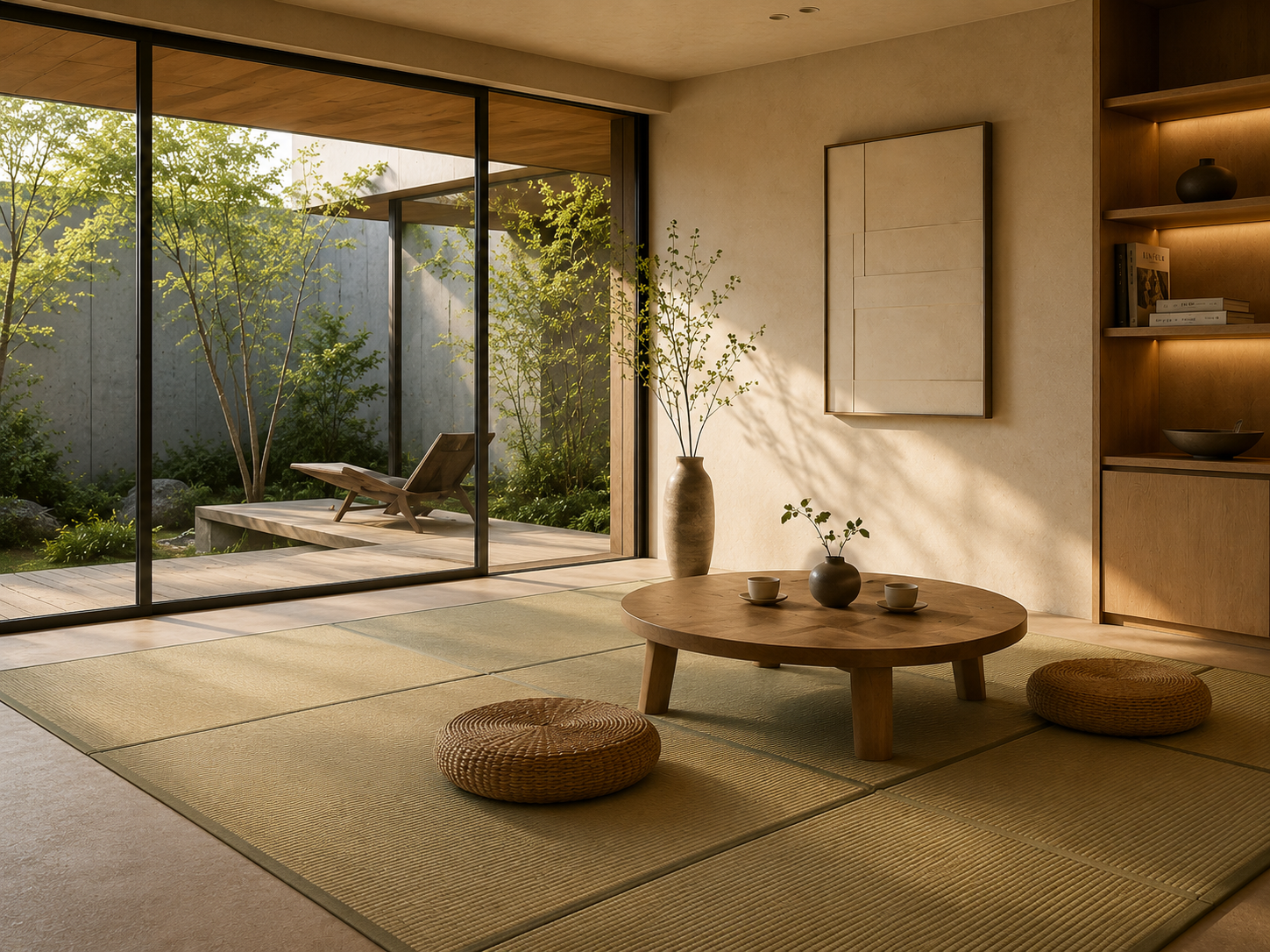
When people think of tatami, they often imagine a traditional Japanese room.
But for centuries, tatami has been much more than a flooring material. It has shaped the way people sit, gather, relax, and live within Japanese homes.
Its natural texture, subtle fragrance, and quiet presence have become an essential part of Japanese living culture.
Today, even as lifestyles evolve, the values behind tatami remain remarkably relevant.
A Material Connected to Nature
Traditional tatami is made using natural materials such as igusa (rush grass).
Unlike many synthetic materials, igusa offers a unique sensory experience.
It gently regulates humidity, absorbs unwanted odors, and releases a fresh natural aroma that many people associate with calmness and comfort.
These characteristics have made tatami a beloved part of Japanese homes for generations.
Designed for Comfort
Tatami provides a soft yet supportive surface that feels comfortable underfoot.
Whether sitting, stretching, reading, or spending time with family, it creates a relaxed environment that encourages slower and more mindful living.
In many ways, tatami represents a different relationship between people and their homes—one that values comfort over formality and connection over convenience.
The Spirit Behind Tatami
The true value of tatami is not only found in its materials.
It reflects a philosophy of living.
A respect for natural materials.
A sense of harmony within the home.
An appreciation for simplicity and craftsmanship.
These values continue to inspire contemporary design around the world.
Tatami for Modern Living
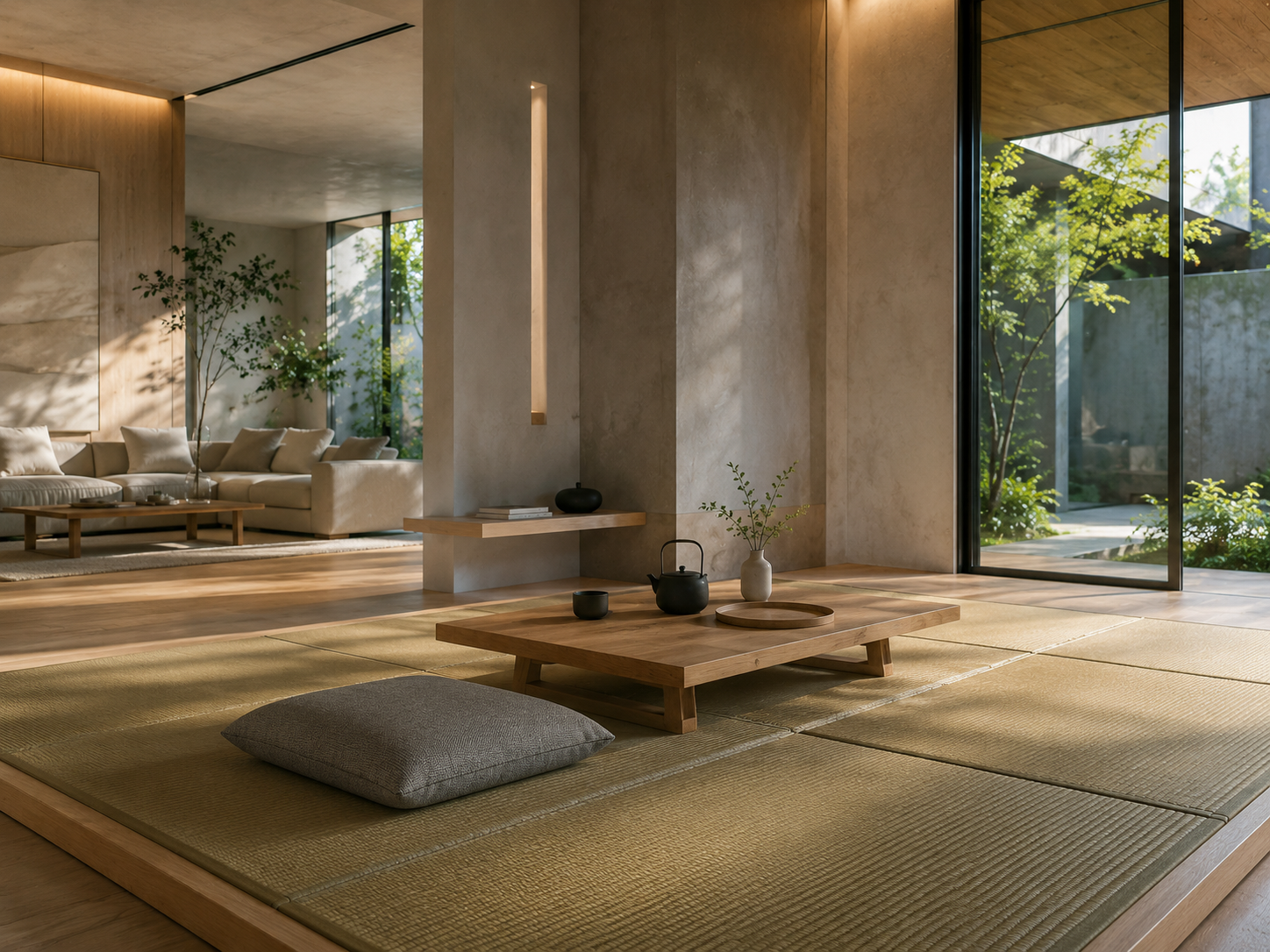
At Tatamill, we believe the essence of tatami extends far beyond traditional Japanese rooms.
By reimagining traditional materials and craftsmanship for modern homes, we aim to bring the comfort, warmth, and quiet beauty of Japanese living culture into everyday life.
Because tatami is not simply a product.
It is a way of living.